Zorays Solar Pakistan
I’ve spent more than a decade building renewable energy systems across Pakistan—over 300 real-world solar installations, dozens of energy audits, and increasingly, biogas and solar thermal projects that solve two problems at once: waste management and energy scarcity. As the founder of Zorays Solar (SMC-Pvt) Ltd., established in 2014 and registered with SECP, PEC, AEDB/PPIB, REAP, and PSA, I’ve seen first-hand how practical, well-designed green technologies can move Pakistan forward—economically and environmentally.
This article is a deep, experience-backed guide to biogas plants and sun-tracked solar thermal dryers in Pakistan for 2025–2026. I’ll share how these systems work, what actually performs in local conditions, lessons from our projects, and how farms, industries, and municipalities can convert waste into reliable energy and income.
Why Biogas & Solar Thermal Matter More Than Ever in Pakistan
Pakistan’s energy challenge is no longer just about generation—it’s about fuel security, circular economy, and cost stability. Imported LNG volatility, rising electricity tariffs, and unmanaged agricultural waste have created a perfect case for decentralized solutions.
Bioenergy and solar thermal will be among the fastest-growing decentralized energy solutions in emerging markets through 2030. In Pakistan’s context, these technologies fit naturally with our agrarian economy.
Biogas Technology Explained — From Waste to Energy
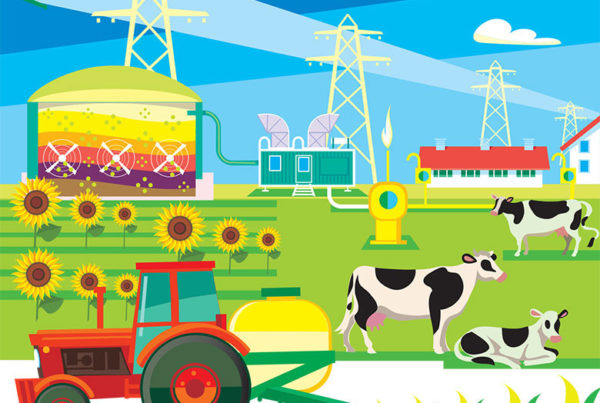
Biogas is produced through anaerobic digestion—a natural process where organic material breaks down without oxygen, producing methane-rich gas and a nutrient-dense organic fertilizer.
In our projects at Zorays, we don’t limit ourselves to cow dung alone. Based on our experience—and validated by European manufacturers like Sumo Group (Czech Republic)—many alternative biomasses digest faster and yield higher gas output.
Types of Biomass & Digestion Timelines
- Kitchen waste: ~16 days
- Poultry farm waste: ~18 days
- Slaughterhouse waste: ~20 days
- Municipal organic waste: ~22 days
- Agricultural crop waste: ~24 days
- Sewage/sludge: ~24 days
- Animal dung (cow, sheep, goat): ~20–26 days
- Paper/cardboard & textile waste: ~24–26 days
These figures aren’t theoretical—they’re drawn from operational data and project designs we’ve supervised across Punjab and beyond
What You Get from a Biogas Plant
- Methane-rich gas for cooking, heating, or power generation
- Electricity via gas engines (for farms, dairies, and industrial sites)
- High-quality organic fertilizer as a byproduct
- Waste management compliance and odor control
I’ve seen poultry farms offset up to 60–70% of their LPG costs within the first year by switching to biogas. In one 2024 project near Manga Mandi, a mid-sized farm used food and poultry waste to run generators and sell surplus fertilizer locally—turning a disposal problem into steady cash flow.
Gas Purification & Renewable Natural Gas (RNG)
Raw biogas contains impurities—mainly hydrogen sulfide (H₂S), moisture, and carbon dioxide. Left untreated, these can corrode engines and pipelines.
Our systems use:
- Activated carbon filters
- Iron sponge desulfurization
- Moisture removal units
After purification, methane quality improves significantly. At higher scales, biogas can be upgraded to Renewable Natural Gas (RNG)—meeting pipeline-grade specifications or compressed into bio-CNG for vehicle fuel. Globally, BloombergNEF projects RNG demand to grow over 10% annually through 2030, particularly in transport and industry.
Who Is Behind Zorays’ Biogas & Thermal Expertise
Our biogas and solar thermal chapter was strengthened by the joining of three nationally recognized experts:
- Dr. Muhammad Ghaffar Doggar (PhD) — 41 years of experience, former Associate Professor at UAF & COMSATS, consultant to Punjab Bio Energy Institute, and PI on multiple foreign-funded projects.
- Dr. Muhammad Ashraf (PhD Agricultural Engineering) — Technical Head for the Pak-Suzuki bio-fuel plant project (2150 m³ digesters with gas compression to CBG).
- Khalid Islam — Ex-DG PCRET, executed 480+ biogas plants nationwide, holder of multiple renewable energy patents, and trainer on PV and micro-hydro technologies.
This depth matters. In renewable energy, design mistakes are expensive. Our consultancy-first approach ensures systems are right-sized, durable, and locally serviceable.
Designing Biogas Plants: What Actually Works
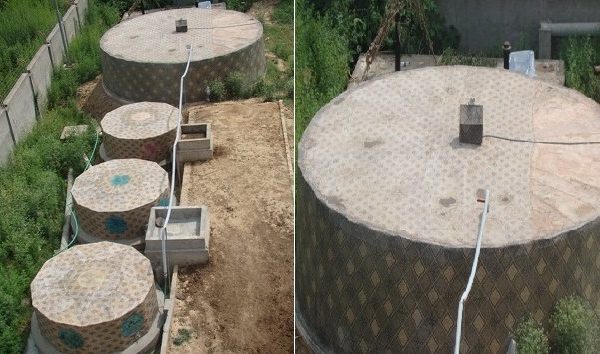
We design and supervise biogas plants from 50 m³ to over 2000 m³, depending on daily biomass availability. Digesters can be:
- Civil (brick & concrete)
- Steel-based
- Glass fiber reinforced
Clients can choose turnkey execution or consultancy-only models—using local labor while we provide drawings, supervision, commissioning, and staff training. This keeps CAPEX low and skills local.
Sun-Tracked Industrial Solar Thermal Dryers
Solar isn’t just about PV. In Pakistan’s climate, solar thermal drying is one of the most underutilized profit tools for agriculture.
We offer sun-tracked industrial solar thermal dryers with capacities from 100 kg to 5 tons—used for grains, fruits, vegetables, and flowers.
Key Features
- Sun-tracking glass collectors (up to 60 ft length)
- Temperature & airflow control
- UV sanitation
- Stainless steel trays and trolleys
- Hygienic, enclosed drying chambers
I’ve personally advised farms that increased product shelf-life from days to months, rebranded dried produce, and sold at 2–4× margins compared to fresh market sales.
A Message to Farm & Industry Owners
1) Stop Wasting Biomass
If you generate 100 kg, 500 kg, 1 ton, or more of organic waste daily—don’t dump it. That’s fuel and fertilizer. With the right system, waste becomes income.
2) Preserve Value with Solar Drying
Surplus crops don’t have to rot. Dry, package, brand, and sell them on your terms.
What We Offer at Zorays
- Technical consultancy & feasibility studies
- Detailed engineering drawings
- On-site supervision & commissioning
- Operational testing
- Hands-on staff training
Our goal isn’t dependency—it’s capability transfer. Once trained, your team can replicate and maintain systems confidently.
Looking Ahead: 2025–2030 Outlook
With tightening environmental regulations, rising fuel prices, and increasing focus from bodies on decentralized energy, biogas and solar thermal are moving from “alternative” to “essential.”
In my view, the next winners in Pakistan’s energy transition will be those who integrate solar PV + biogas + thermal into hybrid systems—maximizing uptime, minimizing fuel exposure, and monetizing waste.
Final Thoughts
I’ve built my career on one principle: renewables must work in the real world, not just on paper. Biogas and solar thermal do exactly that when designed with experience, data, and honesty.
If you’re considering a project—or just want to understand what’s feasible for your farm, factory, or community—I’m always open to a conversation. Share your thoughts in the comments, or reach out directly for a consultation.
Zorays Biogas & Solar Thermals
2nd Floor, CCA, 44-T, Lalik Jan Chowk, DHA Phase-2, Lahore Cantt
Web: www.zorays.com
Phone: 042-32020320 | 0300-8163264
This article is based on operational data, consultancy experience, and internal project documentation from Zorays Solar & Biogas