Zorays Solar Pakistan
Breaking into homes, factories, farms — not with noise, but with panels. Quiet. Relentless. Transformational.
Pakistan did not wait for perfect policy. It moved anyway.
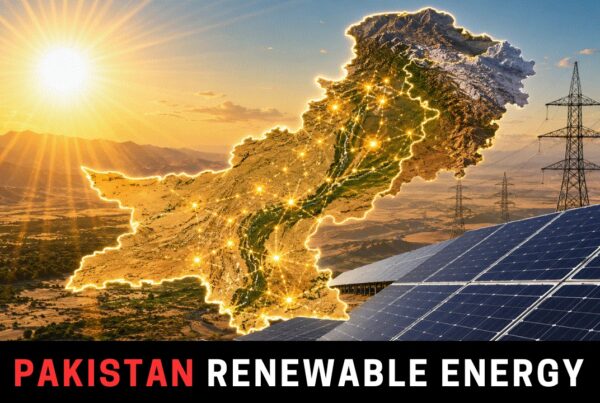
From near-zero contribution to 25% of electricity generation, solar has rewritten the country’s energy narrative within a decade. Not driven by ministries. Driven by people.

A Nation That Pivoted — Fast
Between 2000 and 2020, solar was statistically irrelevant. Then something shifted.
Electricity tariffs surged. Imports drained dollars. Panels became cheaper than diesel.
And Pakistan responded.
Observed trajectory (data-backed):
- 2021: 4%
- 2022: 7%
- 2023: 10%
- 2024: 14%
- 2025: 25%
This is not linear growth. This is acceleration.
A curve that bends upward sharply — the kind economists notice late and infrastructure struggles to catch up with.
The Bloomberg Signal — Dollars Saved, Pressure Released
The second chart is where the story deepens.
Pakistan is not just generating clean electricity. It is avoiding imports.
Billions of dollars.
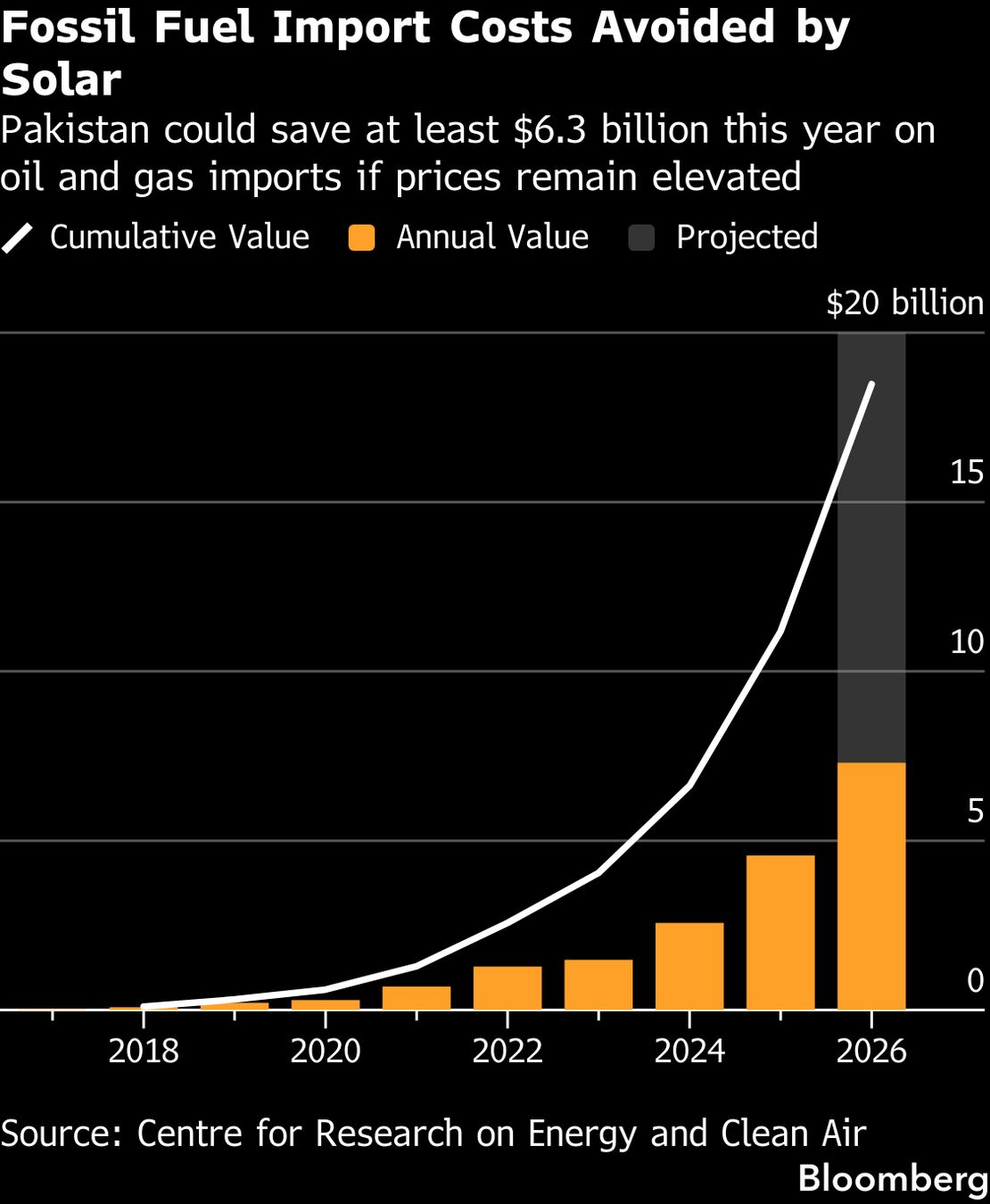
Oil and gas that would have been purchased — are now displaced by sunlight.
This is not environmental rhetoric. This is macroeconomics.
- Reduced current account pressure
- Lower dependency on volatile fuel markets
- Increased domestic energy sovereignty
This is what energy independence actually looks like — not policy speeches, but rooftop decisions.
Who Built This? Not Who You Think
No single authority can claim this shift.
It was built by:
- Households hedging against rising bills
- Industries securing predictable energy
- Farmers stabilizing irrigation costs
- Installers scaling aggressively
- Engineers adapting in real time
This is a bottom-up energy transition — rare, fast, and difficult to control once momentum builds.
The Reality Check: What Comes Next
Growth is real. But so are the constraints.
The system now faces pressure:
- Grid instability from distributed generation
- Policy shifts like net billing replacing net metering
- Need for BESS (Battery Energy Storage Systems)
- Load balancing challenges
Without storage, solar peaks become wasted opportunity.
Without grid upgrades, success becomes stress.
The Strategic Shift — From Solar to Energy Systems
The next phase is already visible:
- Hybrid inverters
- Lithium battery adoption
- Day-night energy optimization
- Self-consumption over export
The conversation is no longer:
“Should we go solar?”
It is now:
“How do we control, store, and optimize energy?”
Conclusion — This Was Never Just About Panels
This is not a trend. It is a structural shift.
A country once defined by load shedding is now exporting a different narrative — resilience.
Solar is not just reducing bills. It is:
- Rewriting economic flows
- Redistributing power (literally and structurally)
- Forcing policy to catch up with reality
And the most uncomfortable truth?
This happened without waiting.